Dopamine has many functions in our nervous system and, among other things, affects the brain’s reward center. Increased release of this neurotransmitter occurs during stimulating activities such as social media use. However, dopamine levels can also be raised in healthier ways.
What Is Dopamine?
Dopamine is a type of neurotransmitter that helps our nerves talk to each other. It’s like a messenger that sends signals between certain nerve cells, and the results can affect how we feel and move. Sometimes people call dopamine the “happiness hormone,” but that’s not entirely accurate. It does a lot more than just make us happy—it also helps us feel motivated, learn new things, and control our movements. Dopamine is pretty important for our brains to work properly, and it’s involved in many different functions, like reward and emotion.
What Does Dopamine Do in the Body?
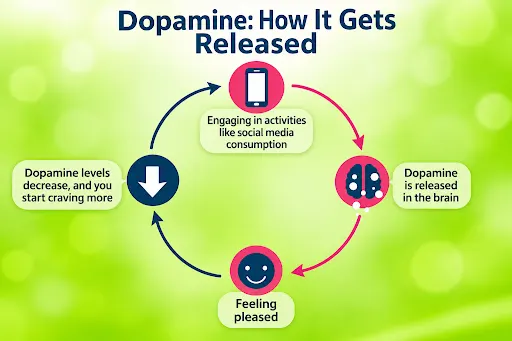
Dopamine has several functions, particularly in the nervous system: it influences behavior and mental activity, conscious body movements, motivation, and the perception of punishment and reward. Furthermore, it affects sleep, dreaming, mood, concentration, working memory, and learning, among other things.
Dopamine is often called the “happiness hormone” because it’s a key part of the brain’s reward system. When we do things we enjoy, like exercise, sex, or eating food we love, dopamine levels go up. Even simple things like watching funny videos on Instagram or TikTok can trigger this response. But what’s particularly striking is that we don’t really know for sure if using social media every day actually releases dopamine. We do know that dopamine helps motivate us and teaches us to repeat behaviors that feel good, which can sometimes lead to addiction. This is especially true when we keep doing things that give us a reward, like constantly checking our phones for likes and comments.
Dopamine Deficiency: Symptoms and Causes
Dopamine signaling changes can cause different symptoms, depending on what’s going on underneath. This might mean you’re less motivated, you don’t care about everyday things, and you don’t enjoy being around people as much. Dopamine signaling problems can also contribute to depression and trouble focusing, but many other things can cause these symptoms too. Sometimes, it’s challenging to pinpoint the exact reason.
What Causes Low Dopamine Levels?
But how does a dopamine deficiency even occur? “This isn’t fully understood yet, but as far as we know, there can be very different reasons. Often, several causes come together,” explains the psychiatrist. A genetic predisposition is suspected. “If various external contributing factors are also present, these people are more likely to develop a dopamine deficiency.”
Stress can have a significant impact on our minds and bodies. It can come from problems at home, issues with friends or family, a tough job, or big problems in the world like war or money worries. Other things like feeling overwhelmed, not eating well, and not getting enough exercise can also affect how we feel overall.
How to Increase Dopamine Naturally: 3 Healthy Ways
Generally, dopamine production is increased by activities that we find pleasurable. However, the line between a healthy increase in dopamine and a short-term, and ultimately harmful, overstimulation of the dopamine system—for example, through quickly viewing social media content—is thin. To stimulate the dopamine system in a healthy way, exercise and sufficient sleep are particularly recommended. A balanced diet can also strengthen the nervous system overall.
Healthy Habits That Support Dopamine Regulation:
| Healthy habit | How it supports overall health |
| Regular exercise | Supports brain health, motivation, and mood |
| Sufficient sleep | Helps regulate dopamine signaling and supports brain function |
| Balanced diet | Provides nutrients needed for normal brain function |
| Stress management | Helps support emotional well-being and overall health |
1. Exercise and Dopamine: Potential Benefits
Is exercise really that bad? No, exercise can boost your mood! Even if some people have to overcome a certain amount of inertia at the beginning, physical activity puts most people in a kind of euphoria after a while. Part of this state is probably achieved through an increased release of dopamine.
To support dopamine regulation through exercise, regular physical activity is important. Casual walking may provide health benefits, but moderate-intensity exercise several times a week can offer additional benefits for brain health and mood.
Also Read: How To Train At Home: Fitness Tips And Exercises
2. Sleep and Dopamine Regulation
Sleeping too little can mess with the brain’s system that controls feel-good chemicals. When we get good sleep, our brain works better, and it helps keep the chemicals that make us happy in balance.
3. Diet and Dopamine Production
Dopamine is produced in the nervous system and adrenal medulla from the amino acids phenylalanine and tyrosine, among other sources. However, there is currently no conclusive scientific evidence as to whether consuming phenylalanine-rich foods such as meat, nuts, or legumes has any effect on increasing dopamine levels.
Some supplements have things in them that help make dopamine. But there’s not a lot of proof that they really boost dopamine levels or do much good. They’re also not a sure fix for things like ADHD or depression.
Eating a healthy diet is a great way to keep your brain in good shape. The Mediterranean diet is a good choice—it’s all about having lots of fruits, veggies, olive oil, fish, and lean meat. These foods give your nervous system the nutrients it needs to work properly. And don’t forget about omega-3 fatty acids, which are found in oily fish like salmon. They’re really important for a balanced diet and can help support your brain health.
Also Read: The Nutrition Plan For Whole Vegan Foods
What Happens When Dopamine Signaling Changes?
It’s not just a dopamine deficiency that can lead to problems; a dopamine excess, or constant activation of the dopamine system, can also become an issue. Dopamine signaling can change in response to highly stimulating activities. Doing things that excite us a lot can affect how our brain reacts to things that make us happy. Like, if someone is always on social media or looking for something fun to do, they might start to feel like it’s not as enjoyable as it used to be. But that doesn’t mean our brain stops caring about the small pleasures in life. We can still find joy in everyday things; it’s just that our brain might need a break from all the excitement to really appreciate them.
Diseases Associated With Dopamine Imbalance
Altered dopamine signaling has been associated with conditions such as depression and attention deficit hyperactivity disorder (ADHD). Parkinson’s disease is associated with the loss of dopamine-producing nerve cells in the brain.
Altered dopamine signaling is also involved in conditions such as schizophrenia. Furthermore, drugs interfere with the dopamine system and stimulate the brain to release more of this neurotransmitter.
If a doctor diagnoses an illness, there are various medications that can help restore the dopamine system to balance. Apply only the listed changes. Remove only the remaining spacing errors.